Africa's agriculture is undergoing a digital upheaval. New applications and innovations promise great effects, for example on field yields. Digitalization is therefore also one the most important keys in the global fight against hunger and for feeding a growing world population. However, the digitization of agriculture also poses major challenges and raises new questions.
What does the promise of digital growth mean for agriculture?
Artificial intelligence, big data and blockchain are the hottest topics of our time. The digital transformation of the African agricultural sector is ready for take-off. What will it take for the future of technology to hit the ground running?
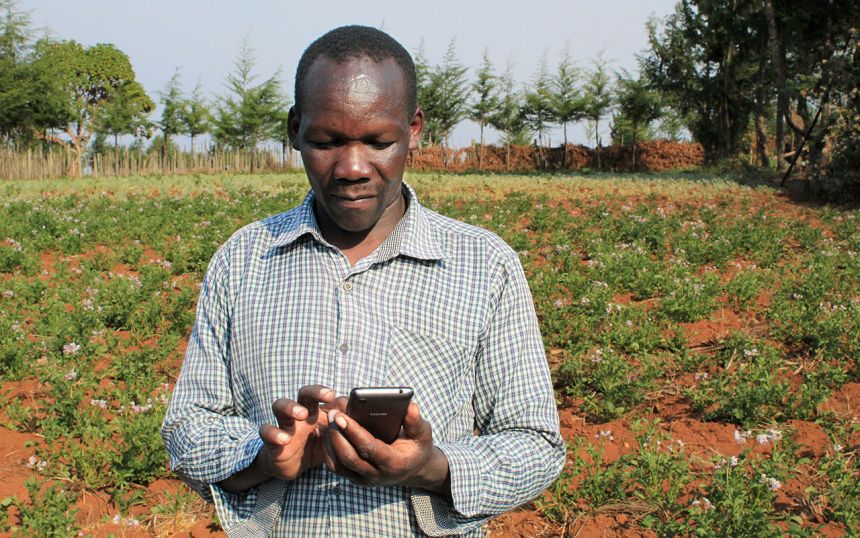
Lots of apps are entering the market, but what really makes sense? For African agriculture, some of it seems like a gimmick, some like a real step forward. So this is what a smallholder farm in Africa could look like today - with the help of smartphones, the Internet and electricity.
Time to dig deeper: We can only benefit from technical progress if we have a solid legal framework for everybody. But so far, none is in sight - in many countries. Instead, international corporations grow ever more powerful.
At the moment, the agricultural industries of African countries exist in relative isolation. Imagine peasant farmers digitally connected to the value chains of the global food industry. How could this happen? A guidebook.
It is 2080. We are on a farm somewhere in Africa. Everything is digital. The blockchain is an omnipotent point of reference, and the farm is flourishing. But then, everything goes wrong. A dystopian short story, written exclusively for SEWOH.
Jehiel Oliver was a successful consultant. One day, he quit his job to become a social entrepreneur. His mission: tractors for Africa. Rental tractors. What gave him that idea? Find out in his interview with Jan Rübel.
Sub-Saharan Africa is on the verge of a development boost in farming: it could skip entire generations of technological development. But how? About possible roles and potentials of digital services.
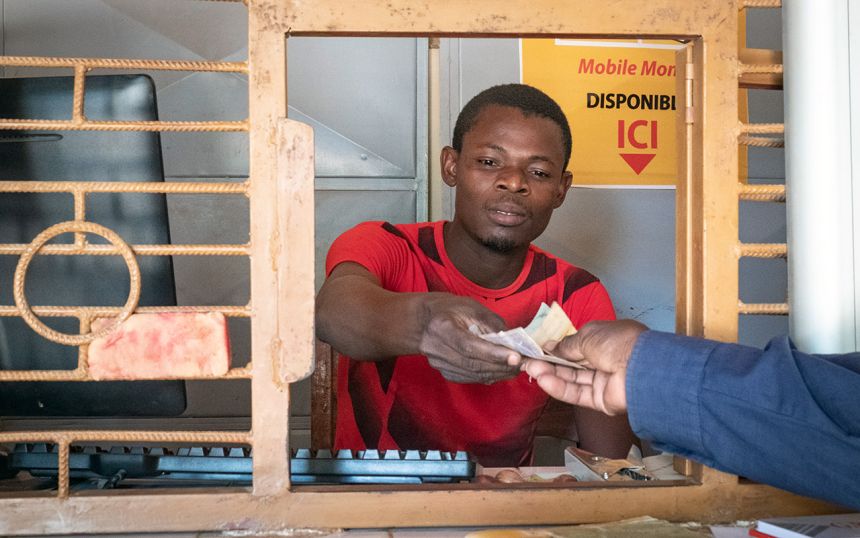
Peasant farmers tend to fail due to bank credit limits. But investment could help them generate a sustainable income. This has given rise to an intense discussion about potential digital solutions.
We need to feed nine billion people by 2050. We, the people of Earth, must produce more food and waste less. That is the top priority of the UN World Food Programme (WFP), too.
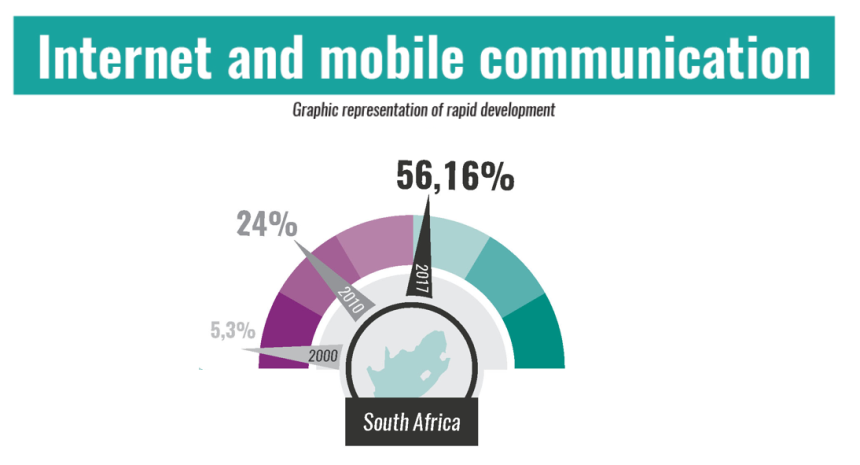
What Africa is experiencing in the course of digitisation is a disruption. Here three steps are taken in one, there you remain. In any case, the changes are enormous and bring some surprises. A graphic walk.