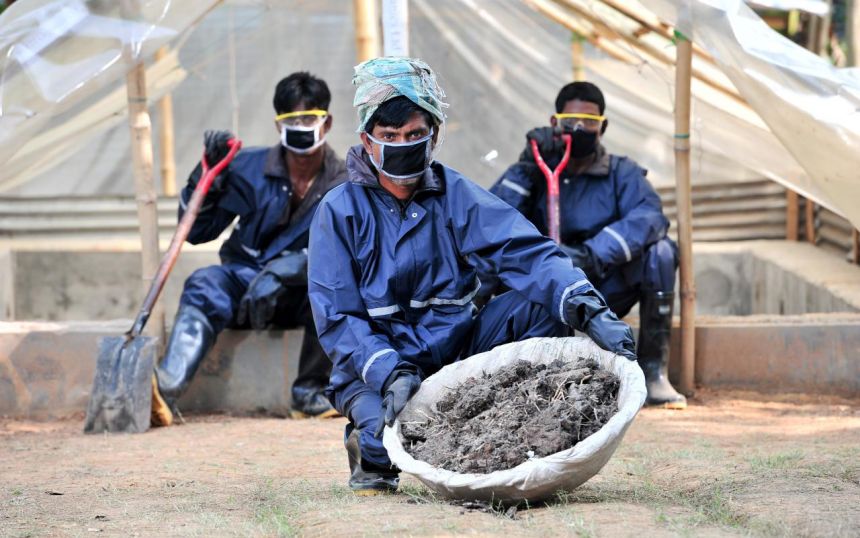
Some say that nothing works without the private sector. Others say that the development policy does not work like the free market. This debate is also fuelling new initiatives in West Africa. They range from the business of manure and the trade in domestic rice to the processing of cotton and the direct purchase of cocoa from the region by German manufacturers.
Why aren’t bars of chocolate made where cocoa is grown? Author Frank Brunner analyses the industry’s fragile value chain from the plantation to the supermarket
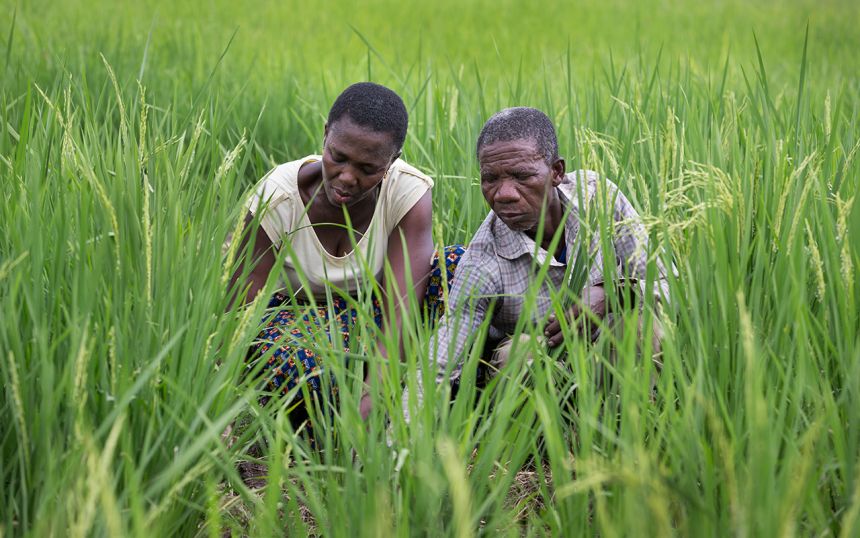
In Togo’s capital, Lomé, home-grown rice costs almost twice as much as the imported product from Thailand. Yet there are good reasons for preferring the local product
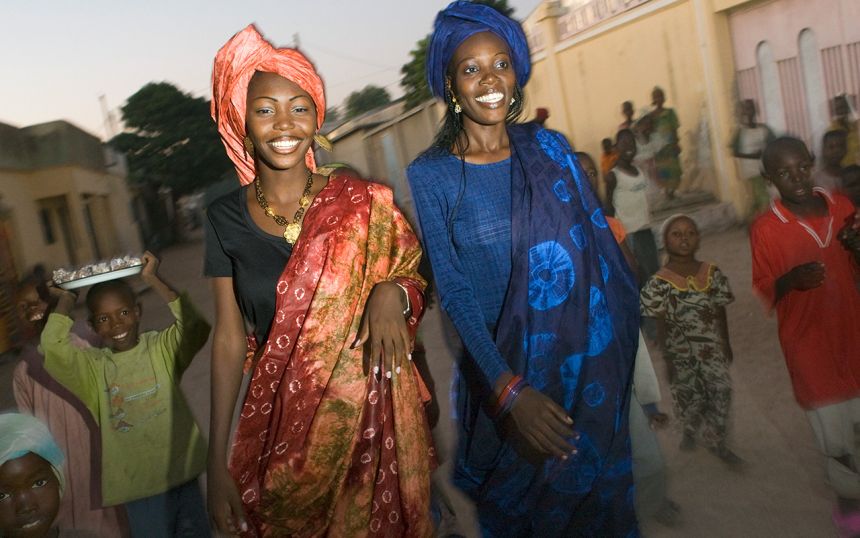
In western Africa a new middle class is emerging. Their consumer behaviour is determining the demand for products – home-produced and imported goods, on the internet or at the village market. The people of Ivory Coast in particular are looking to the future with optimism.
Small farmers in developing countries must modernise their farming methods, but poorly understood reforms could exacerbate poverty instead of alleviating it.
Every child in Germany knows Ritter Sport – but most of the children harvesting cocoa on western African plantations have never even eaten chocolate. Can a chocolate manufacturer change the world? Conversation with Alfred Ritter about the power and powerlessness of a businessman.
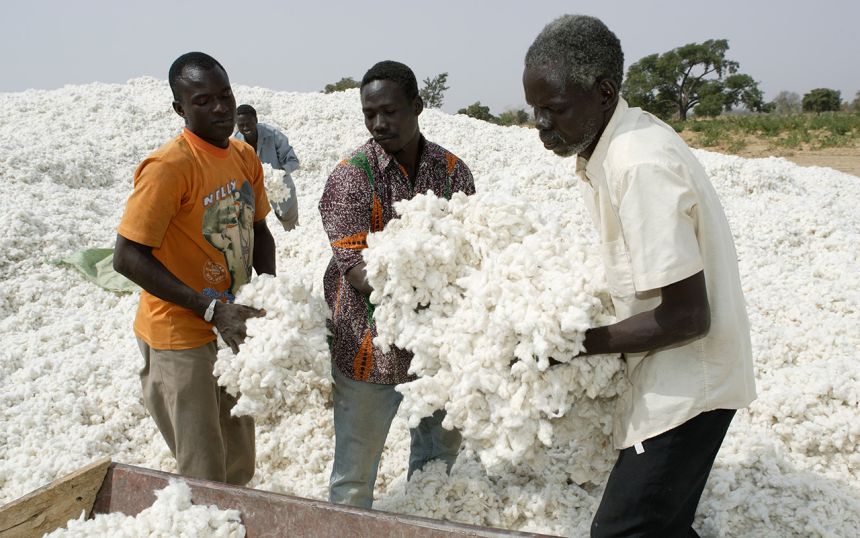
Dr Iris Schöninger is a policy adviser in the policy department of Welthungerhilfe in Bonn. For several years she has also been working with the Advisory Committee of the ‘Cotton made in Africa’ initiative.
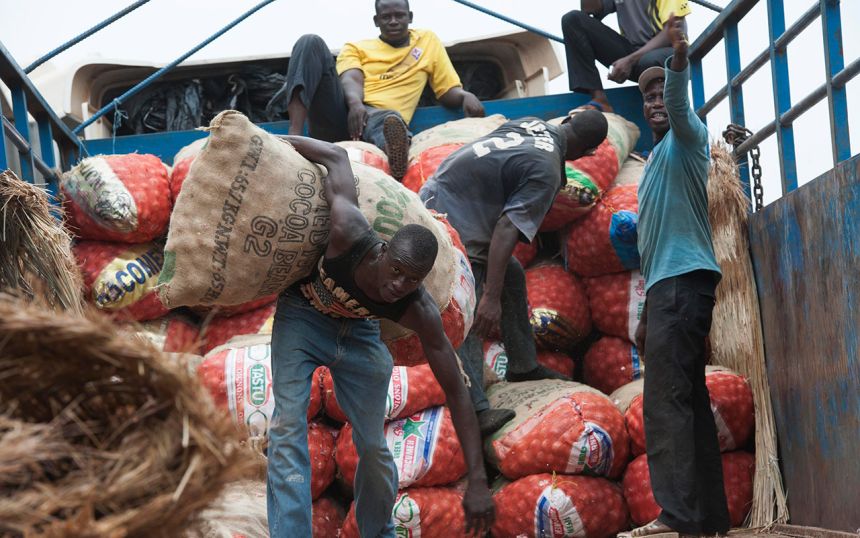
The Ivory Coast has survived the civil war and the division of the country, but the central market in the former rebel capital, Bouaké, is recovering only slowly.