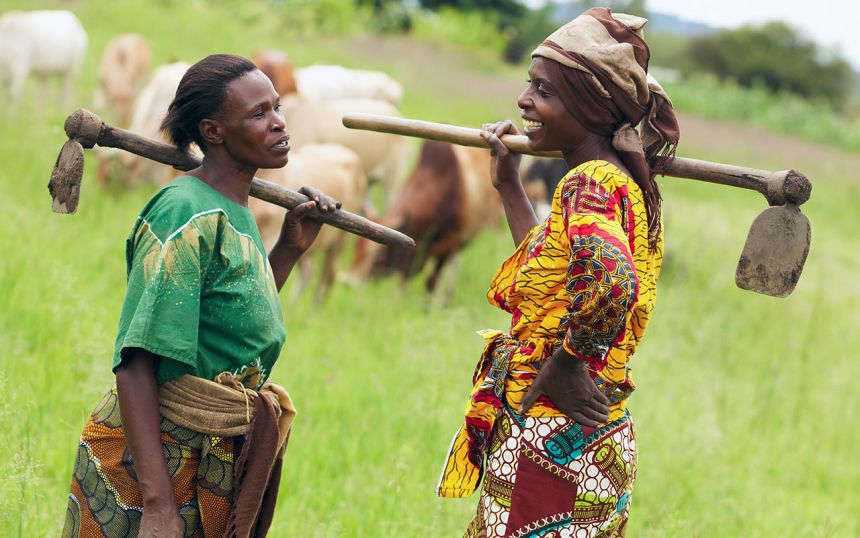
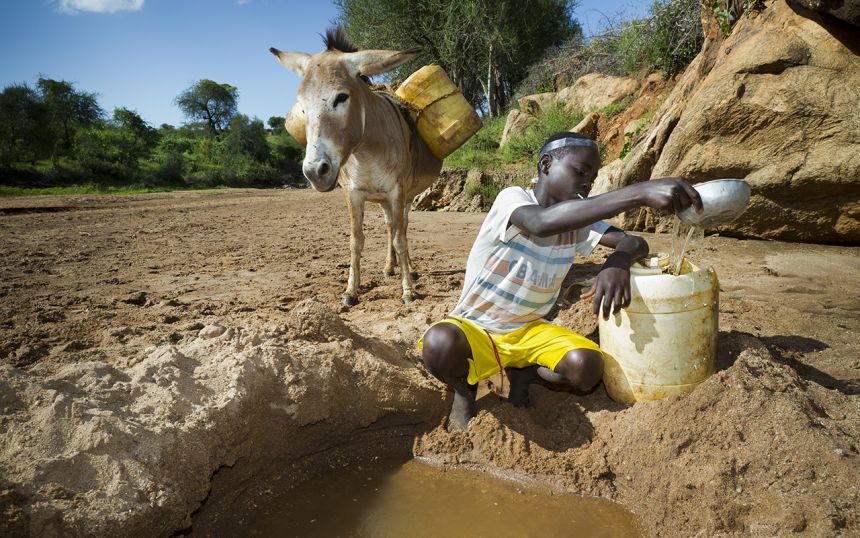
In Africa droughts and other weather phenomena become more severe and more frequent. A more extreme climate threatens people and food security. Farmers and supporters are already reacting with seeds that are more adaptable, climate insurance or the establishment of enterprises. These are the risks, these are the success stories.
As the climate changes, the population of Africa is growing and fertile land and jobs are becoming scarcer. New ways are currently leading to urbanisation of agriculture and a new mid-sized sector in the countryside
Insurance companies could provide protection during droughts in Africa. How exactly this could be done is what the industry is currently trying to figure out. First experiences are available. An interview with the Managing Director of the Munich Re Foundation, Thomas Loster
Droughts are the natural disasters with the most far-reaching negative consequences. While rich countries are still vulnerable to drought, famines are no longer found there.
Climate change is destroying development progress in many places. The clever interaction of digitalisation and the insurance industry protects affected small farmers.
A study by the World Bank predicts that millions of people in sub-Saharan Africa will have to leave their homelands because of climate change. We have spoken with one of the authors
After triumphs in the fight against malnutrition, warning signals are starting to spread again. Climate change and armed conflict are the two main reasons for this. They especially affect the poorest farmers in Africa. What matters now:
Insect farming is economical and environmentally sustainable, they are high in protein and they live on agricultural waste. Marwa Abdel Hamid Shumo thinks: They are the best weapon to combat hunger
Adaptation to climate change can be achieved by making agriculture more environmentally sustainable – if the rich countries also reduce their emissions